|
|
||
|
|
||
|
|
||
|
|
||
|
|
||
Forged in Fire, Civil War Veterans who built the Westerly Fire Department |
| By Lieutenant Stephen Aylward | |
| November 3, 2026 | |
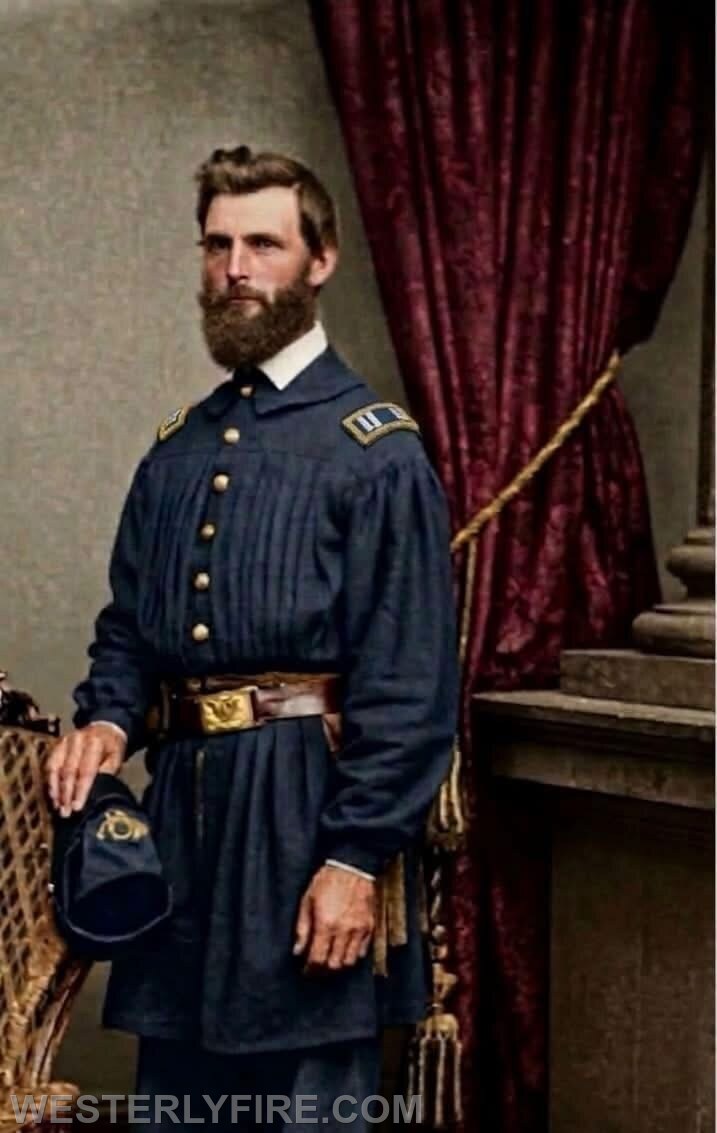
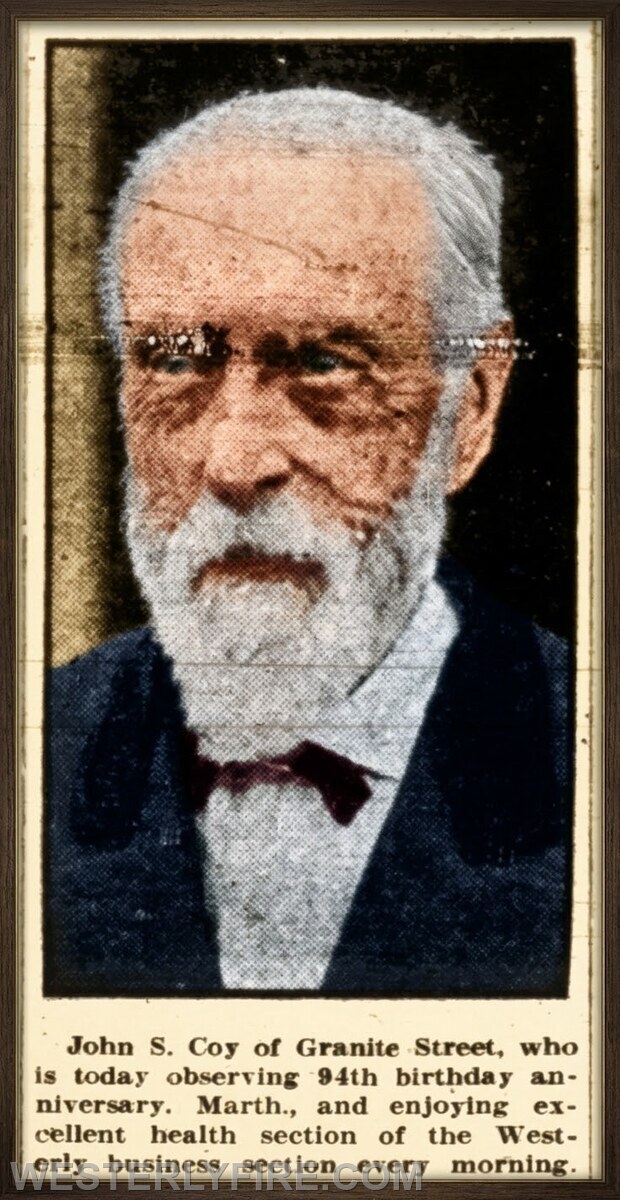
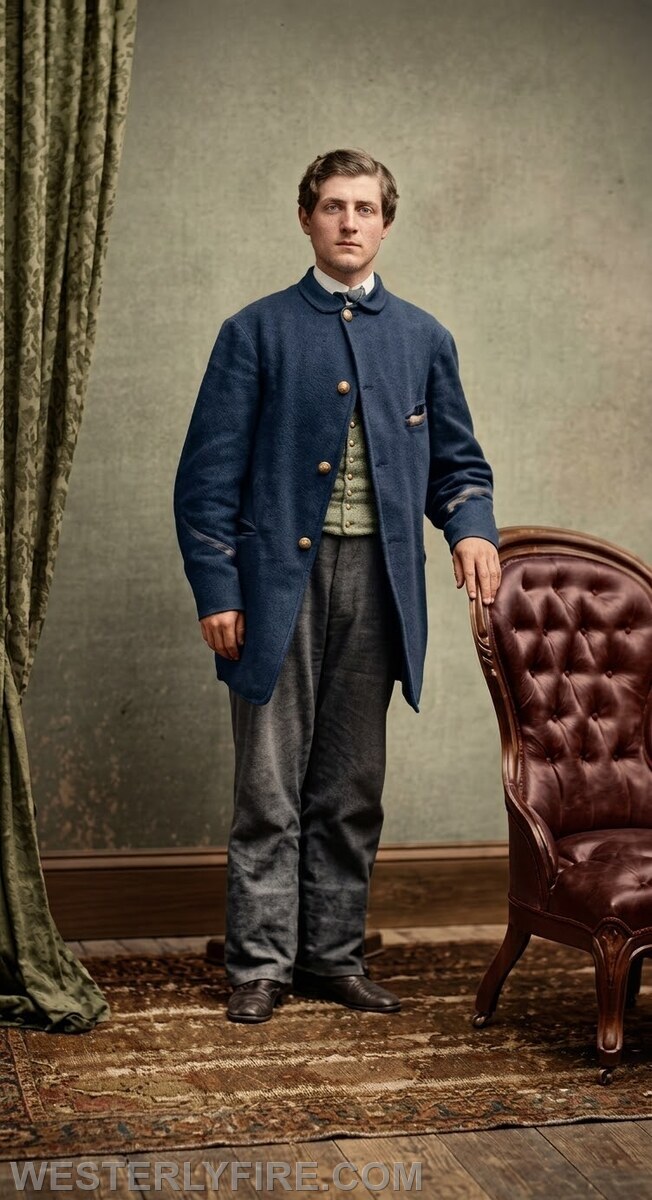
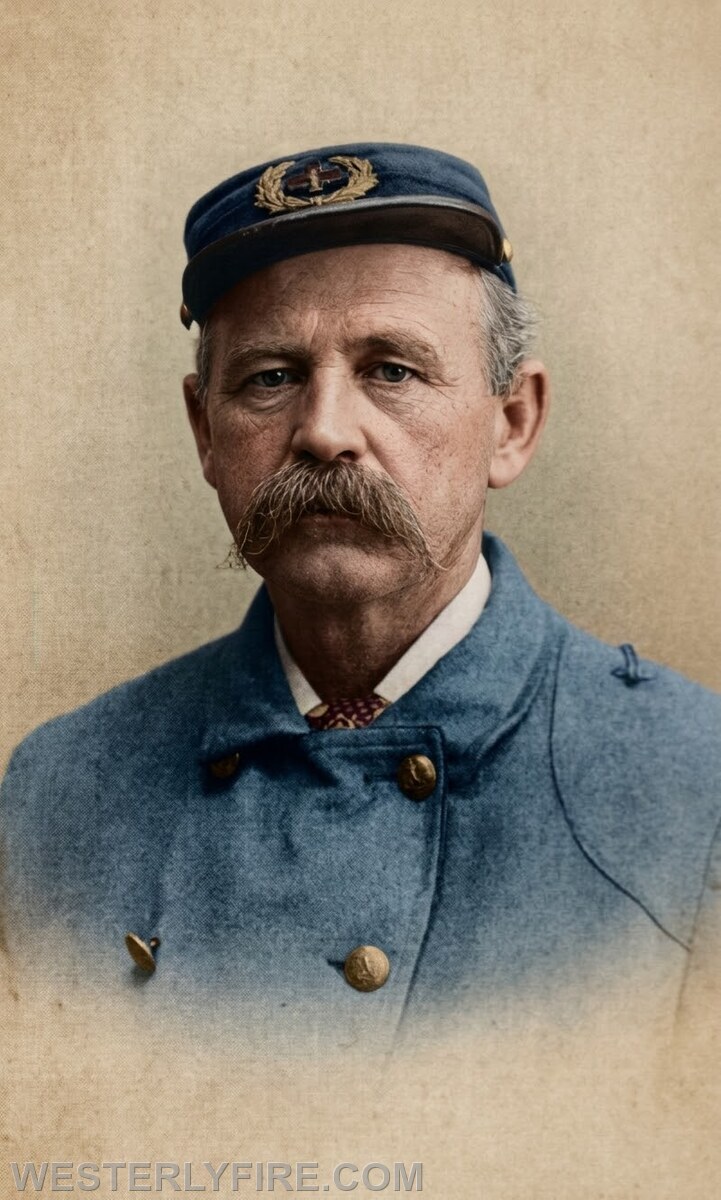
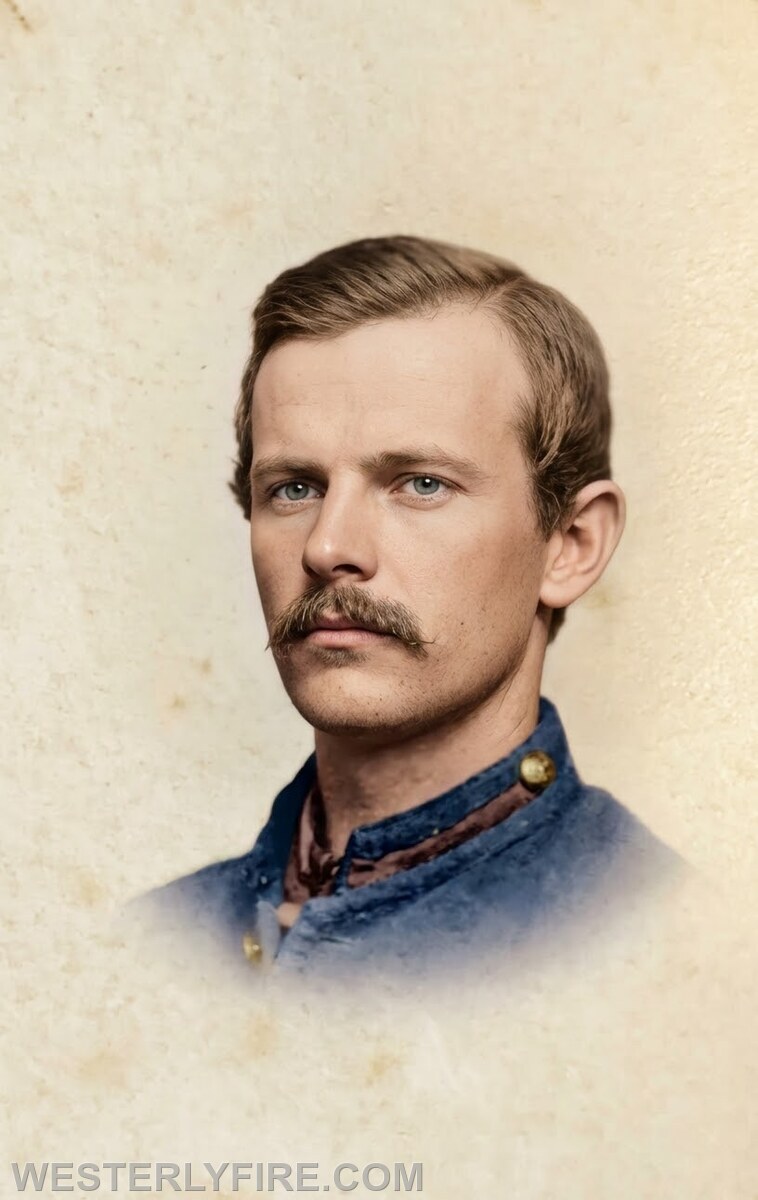
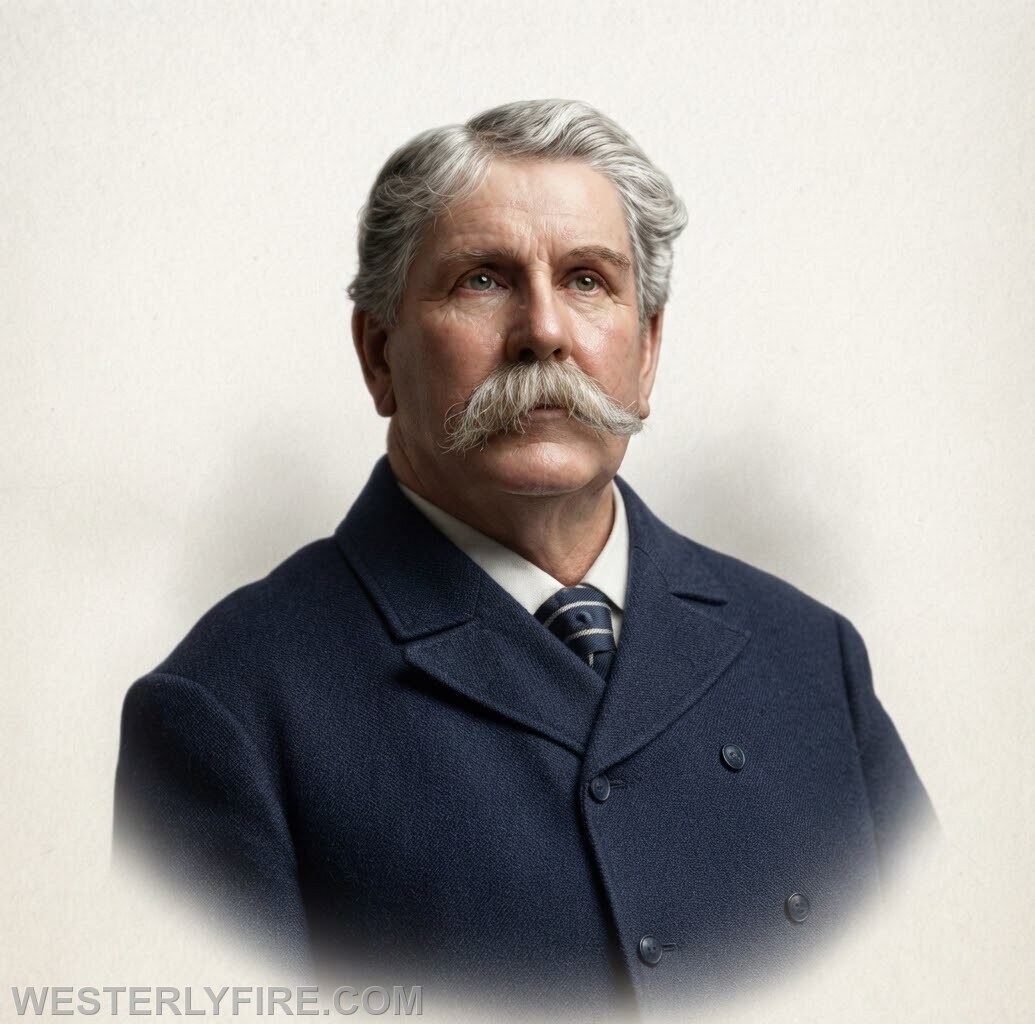
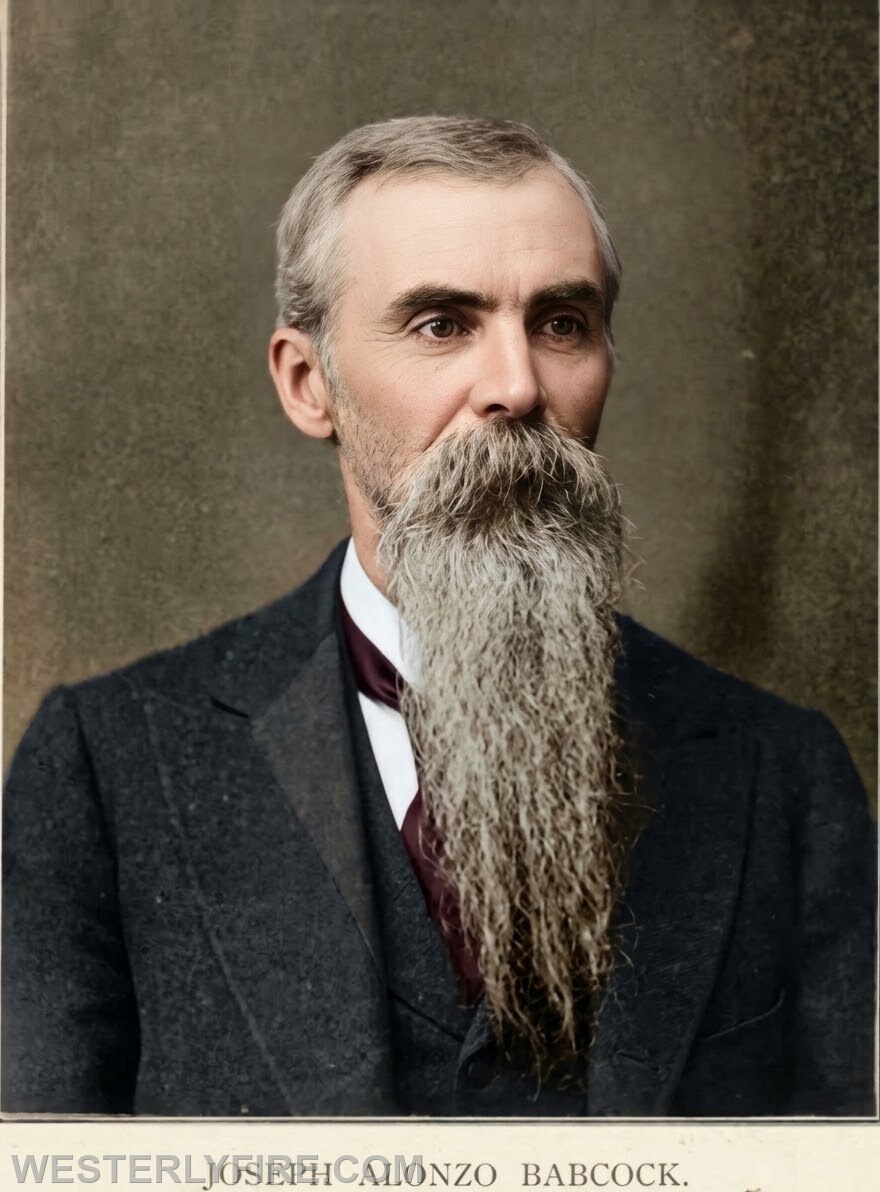
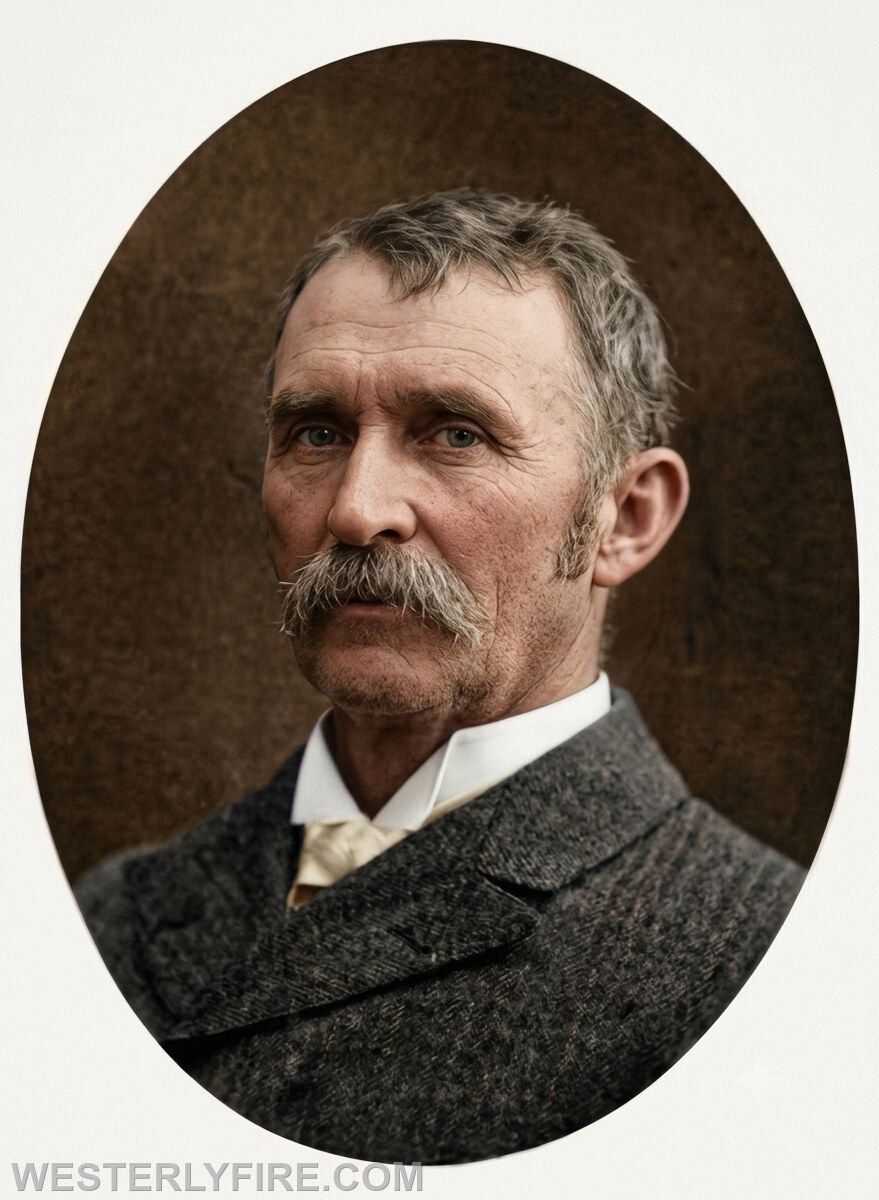
The village of Westerly, Rhode Island, in the mid-19th century was a bustling and tightly knit community bound together by deep neighborly ties and a strong sense of civic duty. Just across the waters of the Pawcatuck River lay its sister village of Pawcatuck, Connecticut, and together the two communities depended on a brave band of local citizens who stood ready at a moment’s notice to protect lives and property from the threat of fire. By the year 1861, the Gazelle Fire Engine Company No. 2 was a firmly established and vital volunteer company. Operating from their firehouse on Union Street—a stretch of road locally known as Cook Hill—the Gazelles proudly served residents on both sides of the river. The original Gazelle engine house sat on Cook Hill just to the left of where the modern Westerly Fire Department Central Fire Station stands today, marking a long line of continuous service on that same historic ground. For the men of Westerly, young and old alike, the volunteer fire company was far more than just a organization dedicated to extinguishing blazes. It served as the dynamic social heartbeat of the community, where meetings, musters, and local events forged deep and lasting friendships. That same spirit of public service led many of these firemen to double their civic devotion by volunteering for the local militia unit, the Westerly Rifles. Side by side, they trained for local defense, unaware of how soon their courage would be tested far beyond the familiar shores of the Pawcatuck. In the spring of 1861, the sudden outbreak of rebellion in the South thrust the entire nation, along with the peaceful villages of Westerly and Pawcatuck, into a national struggle on a scale that neither could have previously imagined. As patriotic fervor swept across Rhode Island, the Westerly Rifles were officially called into Federal service in the late spring of 1861. As the summer opened, the Westerly Rifles were mustered into service as Company I of the First Rhode Island Detached Militia under the command of Captain Henry Card. Placed under the overarching leadership of Colonel Ambrose Burnside, the brave firemen of Gazelle Company No. 2 marched off together toward Washington, ready to confront the rebellion and fight for the preservation of the Union. Their first and only taste of combat came in July on a blistering summer afternoon near Manassas, Virginia, at the First Battle of Bull Run. Placed on the front lines of the Union advance, Colonel Burnside’s brigade was thrown into the thick of the opening assault. The men of Company I fought bravely through the chaos, smoke, and blistering artillery fire of the bloody engagement, standing firm alongside their fellow Rhode Islanders before the Union lines ultimately broke and retreated back toward Washington. Yet even though their initial enlistment was over, the war had not ended for the Gazelles. Realizing the fight to save the Union would be far longer and more arduous than first thought, many men of the Rifles answered the call to duty once more, re-enlisting in various other regiments. Sergeant Henry R. Horton put his military experience back to work by enlisting in Battery F of the First Regiment Rhode Island Light Artillery. Private Henry Staplin re-enlisted into Company G of the 8th Connecticut Volunteer Infantry, marching off to war alongside several other members of the Westerly Rifles. Though the conflict dragged on, the spirit of devotion forged in the engine house on Cook Hill continued to carry the brave volunteers of Westerly through every trial that lay ahead. Henry R. Horton went on to serve faithfully throughout the war with Battery F of the 1st Rhode Island Light Artillery. The battery saw arduous duty across the Eastern Theater, firing its cannons in major engagements through North Carolina and Virginia, enduring grueling marches, harsh camp conditions, and intense artillery duels on the front lines. By the summer of 1864, Horton had risen to the rank of Corporal, with Battery F deeply entrenched in the brutal siege of Petersburg, Virginia. On June 28, 1864, amidst the continuous exchange of fire along the Petersburg lines, disaster struck. A Confederate artillery shell exploded directly among five members of the battery, wounding every man in the gun crew. Corporal Horton’s leg was severely mangled, suffering a catastrophic compound fracture. Field surgeons performed an emergency amputation in a desperate bid to save his life, and he was subsequently transferred to an Army hospital at Fort Monroe, Virginia. Despite the medical efforts, Corporal Henry R. Horton succumbed to his wounds on July 4, 1864—Independence Day—giving his life for the country he had fought so hard to preserve. Henry R. Horton would bear the tragic distinction of being the only member of the Westerly Fire Department killed in action during the Civil War. Back home in Westerly, he left behind a grieving wife and a 13-year-old daughter at their home at 18 Granite Street. His sacrifice forever linked the ultimate cost of the war with the proud legacy of the Gazelle Fire Engine Company and the village he served. Meanwhile, Hoseman Henry Staplin saw intense, prolonged action after enlisting in Company G of the 8th Connecticut Volunteer Infantry. The 8th Connecticut was assigned to heavy combat across multiple theaters, but their most crucible trial came on September 17, 1862, at the Battle of Antietam near Sharpsburg, Maryland. Pushing across Antietam Creek, the regiment launched a desperate assault against entrenched Confederate forces near the town. Caught in a deadly crossfire from both infantry and artillery, Company G and the men of the 8th Connecticut fought furiously against overwhelming odds, enduring staggering losses of over fifty percent in one of the bloodiest single days in American history. Other firemen sought service in the saddle, as Hosemen J. Alonzo Babcock, George Martin, and John Raynor stepped forward to enlist in the 1st Rhode Island Cavalry. All three initially joined Troop A, though Raynor would eventually be reassigned to Troop L. The 1st Rhode Island Cavalry went on to carve out a legendary and perilous combat record throughout the war, serving as the eyes and ears of the Army of the Potomac through endless scouting missions, skirmishes, and major cavalry clashes across Northern Virginia. The regiment’s most dramatic and harrowing trial unfolded on June 17, 1863, at the Battle of Middleburg. Ordered to push deep into enemy territory to screen the movement of Union forces during the Gettysburg Campaign, the isolated 1st Rhode Island Cavalry found itself surrounded by superior Confederate forces under Major General J.E.B. Stuart. Trapped in the town of Middleburg and cut off from support, the regiment launched desperate hand-to-hand saber charges and fought furiously against overwhelming odds before attempting a heroic breakout through the enemy lines. In the chaotic aftermath of the battle, many of the Rhode Island troopers were cut off and captured, including Hoseman George Martin, who was taken prisoner by Confederate forces. Martin endured several grueling weeks as a Prisoner of War in harsh Southern captivity before being successfully exchanged, ultimately returning to his regiment to continue the fight alongside his fellow Westerly firemen. After the long and bloody war finally came to an end, veterans began making their way back home, returning to a Westerly that had transformed during their absence. The town was rapidly evolving into a bustling hub of industry and employment opportunities, drawing many young men from nearby farms and distant towns into Westerly and Pawcatuck, pulled by family connections and the promise of good jobs. Many of these returning veterans naturally gravitating back to the familiar camaraderie of the firehouse, which by the late 1860s had renamed itself the "Westerly Fire Engine Company" and functioned almost as a quasi-veterans' social organization. Among those who joined the company ranks was Warren W. Brown, who had served as a Sergeant in the 21st Connecticut Volunteer Infantry. The 21st Connecticut had carved out a distinguished battle record, fighting through the fierce assault at Fredericksburg, enduring the brutal Siege of Suffolk, and facing horrific meat-grinder combat at Drewry’s Bluff, Cold Harbor, and the trenches of Petersburg. Serving alongside Warren was his cousin, Abel Brown, who also joined the Westerly Fire Engine Company. They were joined by Edwin Lewis, another battle-tested veteran of the 21st Connecticut, and George W. Foster, a veteran of the hard-fighting 8th Connecticut Infantry who carried the physical scars of war, having been wounded in action during a sharp skirmish just prior to the bloody Battle of the Wilderness. Another local native, Joseph Schofield, brought his own extensive combat experience to the engine company after serving with the 5th Connecticut Volunteer Infantry. The 5th Connecticut had endured some of the most punishing fighting of the conflict, suffering catastrophic casualties at the Battle of Cedar Mountain before proving their mettle at Chancellorsville, Culp's Hill at Gettysburg, and throughout the grueling Atlanta Campaign and Sherman's March to the Sea. John Sullivan shortly joined the Engine Company, a veteran of three years with Company C of the 10th Connecticut Volunteer Infantry, a battle hardened regiment that saw action through out the South and along the eastern coast. Joining these infantry veterans was Charles Sheffield, a veteran whose wartime journey had taken him through both the infantry and cavalry branches. Sheffield had originally answered the nation's call in 1861 alongside his fellow Westerly Rifles, taking part in the brutal opening clash at First Bull Run. Wanting to continue the fight after his early militia service, he enlisted in the 1st Connecticut Volunteer Cavalry. The 1st Connecticut Cavalry compiled a relentless battle record in the Virginia theater, engaging in nearly ninety actions. Serving under Generals Philip Sheridan and George Armstrong Custer, the regiment fought through the hard-fought Shenandoah Valley Campaign, seeing intense action at places like Cedar Creek and Waynesboro, before charging at Five Forks and Sailor’s Creek. Their distinguished service earned them the supreme honor of being selected to escort General Ulysses S. Grant to receive General Lee's surrender at Appomattox Court House. Upon returning home to Westerly with his rich combat experience, Sheffield promptly joined one of the local engine companies to continue serving his community. The artillery branches were equally well represented in the post-war engine house. Thomas Stillman of Battery G, 1st Rhode Island Light Artillery, volunteered his time alongside Thomas Wilson Dorr Coy from Battery C. Thomas Coy was joined in service by his brother, John S. Coy, who had served as the Quartermaster Sergeant for Battery C throughout the war. John Delevan, a native of Woonsocket who chose to settle in Westerly, joined the company after serving with Battery B, 1st Rhode Island Light Artillery. Delevan had been present at the historic clashes of Fredericksburg and Gettysburg, where at the latter he stood eyewitness to the desperate, heroic defense that cemented the legend of the famous "Gettysburg Gun." William Greenhalgh of Battery A and John Moore of Battery D also added their names to the engine company's roster of artillery veterans. From the infantry ranks came John Holburton and Charles Cordner, both veterans who had served together in the 26th Connecticut Volunteer Infantry. Judson L. Crandall made his way to town from New York—returning to the ancestral home of his parents and cousins—and promptly joined the department after having honorably served out the entire duration of the war with the 114th New York Volunteer Infantry, fighting primarily in Western Theater and Louisiana. The veteran leadership within the department continued to grow well into the next decade. In March of 1884, when the Alert Hook & Ladder Company was officially formed, Courtland G. Stanton—who had served as a Lieutenant in the 21st Connecticut Volunteer Infantry—joined the department ranks. As the town continued to expand and modernize, the need for a more formal and unified administrative framework became clear. In 1870, the Fire District was officially formed, establishing the four Chief positions and creating the foundational organizational structure of the Westerly Fire Department that we still know today. When it came time to select the department’s leadership, the community turned once again to the proven commanders who had led them on the battlefield. Henry Card, who had commanded the very first group of Westerly men to march off to war as Captain of the Westerly Rifles, was elected 2nd Assistant Chief. Joining him on this historic leadership body was 3rd Assistant Chief J. Alonzo Babcock, placing two battle-tested Union Army officers on the department's first Board of Engineers. Their military discipline, tactical experience, and unwavering commitment to public duty helped shape the modern department, ensuring that the spirit of service forged in the crucible of the Civil War would forever protect the town of Westerly. The tradition of veteran leadership in the department’s highest ranks only strengthened as the years progressed. In 1876, Albert L. Chester was elected as an Assistant Chief, beginning a dedicated tenure in command that would span more than a decade. Like his fellow officers on the Board of Engineers, Chester brought invaluable military experience born from severe trial. In 1862, Albert had enlisted in Company A of the 12th Rhode Island Volunteer Infantry. The 9-month regiment was thrust straight into some of the most harrowing combat of the Eastern Theater, marching into the deadly slaughter of the Battle of Fredericksburg in December 1862, where they charged the stone wall at Marye's Heights under catastrophic artillery and rifle fire. After enduring the grueling hardships of Burnside’s famous "Mud March," the 12th Rhode Island was transferred west, performing arduous guard and garrison duty in Kentucky and protecting critical supply lines before completing their enlistment. Bringing that same resilience and cool-headed command back home, Albert L. Chester helped guide the Westerly Fire Department into a new era. Through the vision of leaders like Card, Babcock, and Chester, the bravery of the men who once defended the Union was woven directly into the foundation of Westerly’s fire service, ensuring that the legacy of those Civil War volunteers lived on through every alarm sounded and every life protected. Joining this brotherhood of veterans was John Henry Gordon Munroe, known warmly to his friends as "Harry." Originally from Boston, Harry moved to Westerly and married into the prominent Pendleton family before later returning to his hometown in Massachusetts. During his years in Westerly, Harry served faithfully on the Fire Department as a Hoseman with Engine 1. His path to public service, however, had been forged years earlier when, at just 18 years of age, he enlisted in the 1st Massachusetts Volunteer Infantry—the very first three-year regiment to respond to President Lincoln’s call. Harry served through the regiment's entire three-year enlistment, participating in a grueling record of combat with the Army of the Potomac. The 1st Massachusetts stood in the thick of the fight at First Bull Run, fought through the Peninsula Campaign and Yorktown, and endured heavy casualties at Williamsburg, Fair Oaks, and the Seven Days Battles. They went on to fight fiercely at Second Bull Run, Fredericksburg, Chancellorsville, and on the bloody second day at Gettysburg, where they held the line near the Peach Orchard under intense fire. Harry and his regiment continued through the relentless violence of the Wilderness and Spottsylvania Court House before honorably completing their three years of sacrifice. For the ensuing decades after the Civil War, any young man who volunteered to protect their neighbors in Westerly was directly taught by men who had fought in the nation’s most devastating and tragic war. They were led and mentored by men who had stood firm at Gettysburg, stormed the deadly heights of Fredericksburg, fought through the murky swamps of Louisiana, marched alongside General Sherman to the sea through Georgia, helped liberate the captives of Libby Prison, and endured the bitter trials of being prisoners of war. These young firefighters were taught the true meaning of dedication and brotherhood by men who had learned it firsthand under the terrifying roar of enemy rifle fire and exploding artillery shell. From these battle-hardened veterans, new generations learned the sacred duty of honoring comrades who had passed on far too soon, carrying forward a legacy of selflessness, courage, and ultimate sacrifice. Through their guidance, the lessons forged in the fires of the Civil War became the bedrock of the department—instilling traditions, values, and an unwavering commitment to public service that are still honored in the Westerly Fire Department to this very day. |
|
|
|
||
|
|
||
|
|
||
|
|
||
|
|
||