|
|
||
|
|||
The Cyclone: The beginning of 130 Years of Service in Westerly |
| By Lieutenant Stephen Aylward | |
| July 12, 2026 | |
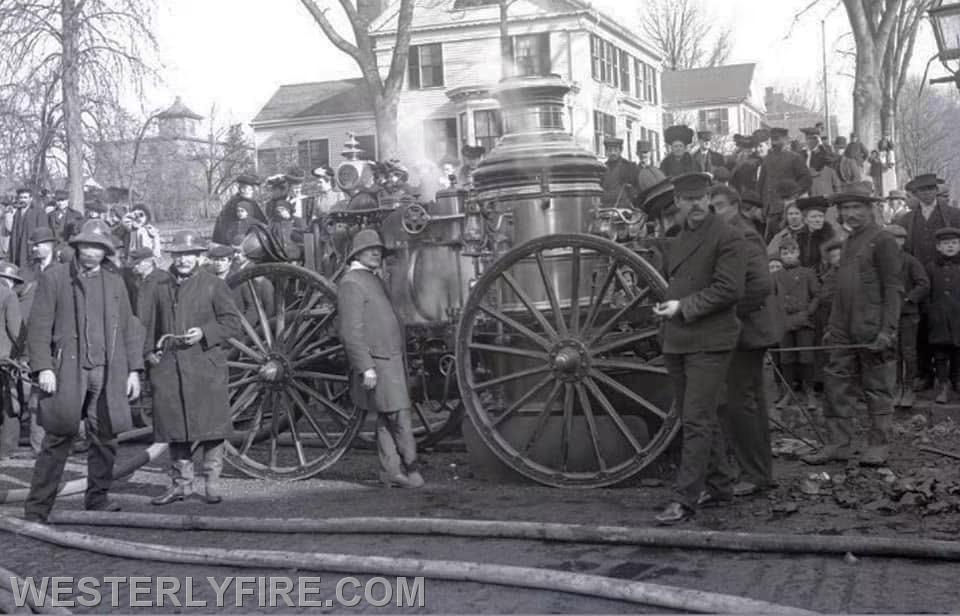
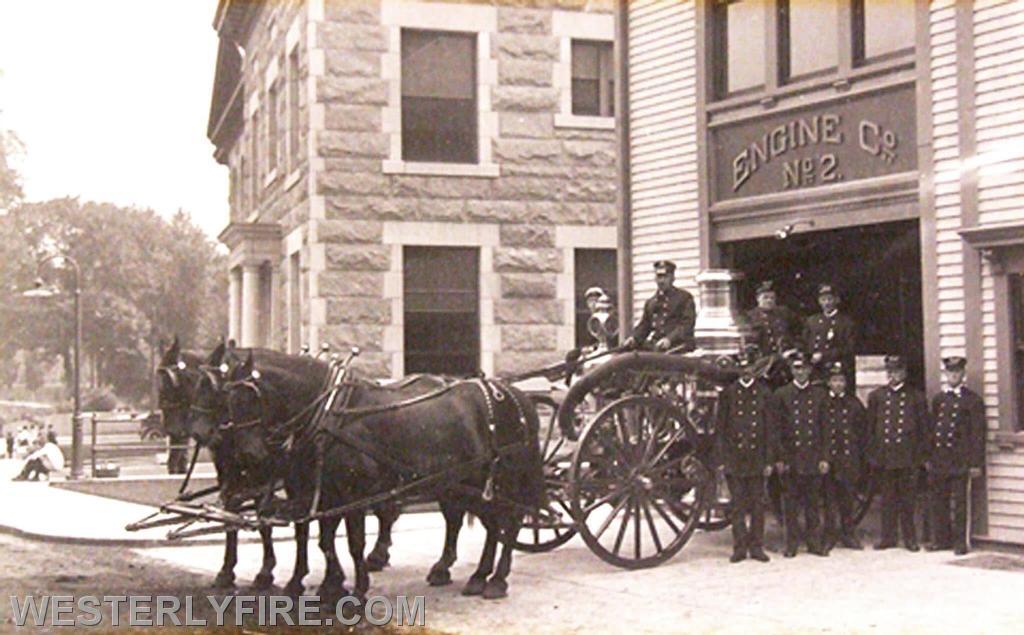
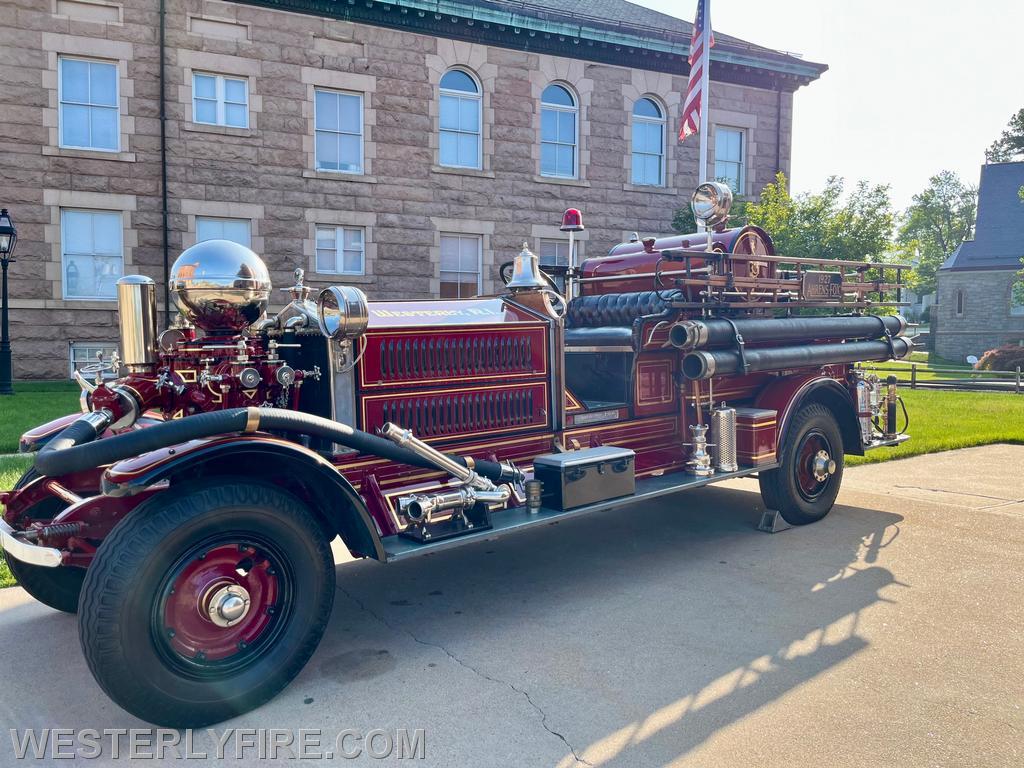
| The history of the Westerly Fire Department is etched in the smoke and grit of the late 19th century, a time when the growing industrial town rapidly outgrew its old hand pumpers and Steam Fire become the norm. Cyclone Steam Fire Engine Company No. 2, an organization born out of necessity, political friction, and a commitment to modern firefighting technology. The Catalyst for Change: The 1870s and 1880s Before the Cyclone was ever fired up, Westerly relied heavily on the Rhode Island Steam Fire Engine Co. No. 1 (organized in 1869) and the hand-pumped N.F. Dixon No. 2. However, bitter rivalry and friction between the "Ones" and the "Dixons" led Chief Engineer William P. Coy to officially disband the N.F. Dixon company in 1877. 1885: The "Cyclone" Arrives In 1885, the Westerly Fire District purchased a brand-new, state-of-the-art steam pumper to replace the old hand-pumping framework that acted as supplemental water supply for the Rhode Island Ones, This powerful piece of machinery was proudly christened the Cyclone. 1895: Formal Organization of Company No. 2 For its first ten years, the Cyclone was operated without its own completely distinct, independent organizational structure, it was a second steamer that members of the Ones would use at fires. That changed in 1895. Led by its first Foreman, Thomas C. Bell, the organization of this new company was received with immense fanfare across the town of Westerly. There was a palpable sense of civic pride in seeing the local fire defense double its suppression footprint. 10 members of the RI Ones became the first members, along with newly recruited recruits eager to learn and serve the town and its citizens. A Socially Minded Tradition From its very inception, Company No. 2 proved to be as dedicated to community engagement as it was to fire suppression. Just before the summer of their founding year, the company ventured down to the shore and built a prominent dance pavilion in Watch Hill to anchor their fundraising efforts. This quickly established the Cyclones' enduring reputation as a deeply socially minded company, a group that knew how to rally public support, throw a community gathering, and fund their own high standards of service. This tradition of being socially minded served the Cyclone’s well in the coming decades, The Cyclone’s have had more members elected to serve as Assistant Chief’s on the Board of Engineers then any other of the three companies in the department, cementing the legacy of the company in departmental history. Trial by Fire The Cyclone’s first true trial by fire came in the early morning hours of Wednesday, June 5, 1895. Around 2:00 AM, a Westerly police patrolman was investigating the smell of smoke near Main Street in downtown Westerly. According to a contemporary report in The Westerly Sun, the unnamed officer ultimately left the area, believing the odor was simply coming from the chimney of John Berry’s Bakery. Triumph, Tragedy, and Legacy Today, the spirit of the original 1895 Cyclone’s lives on. The Cyclone Steam Fire Engine Co. No. 2 remains a badge of immense pride, tradition, and generational service within the Westerly Fire Department, and to all members who served the Company. |
|
|
|
||
|
|||