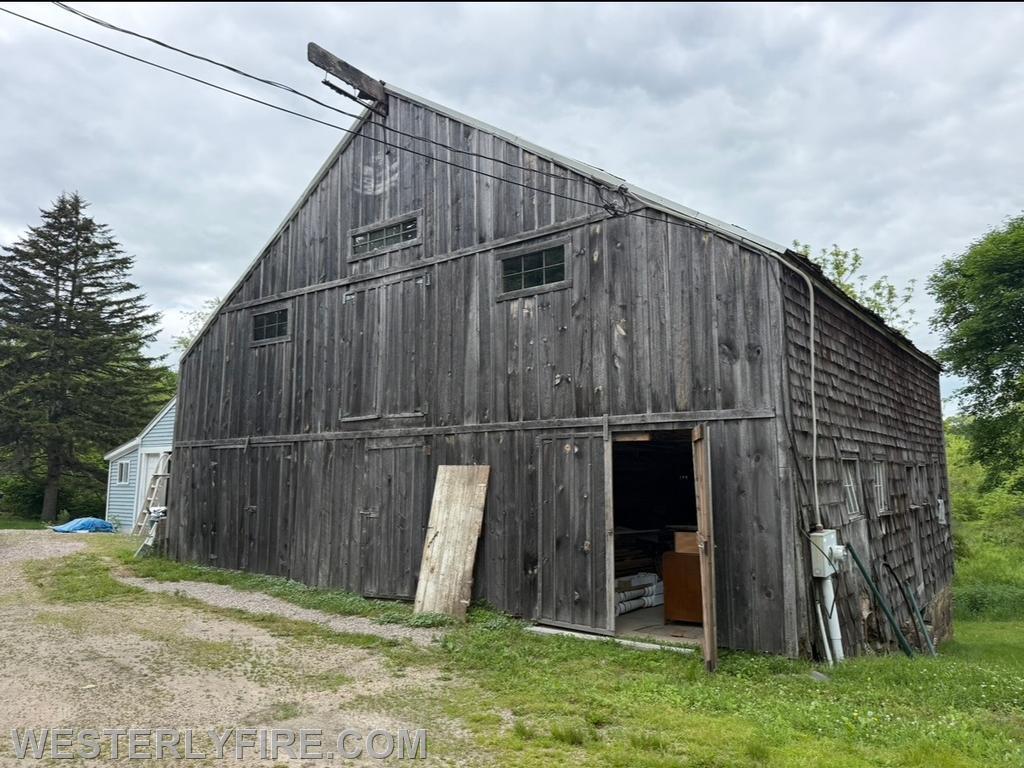
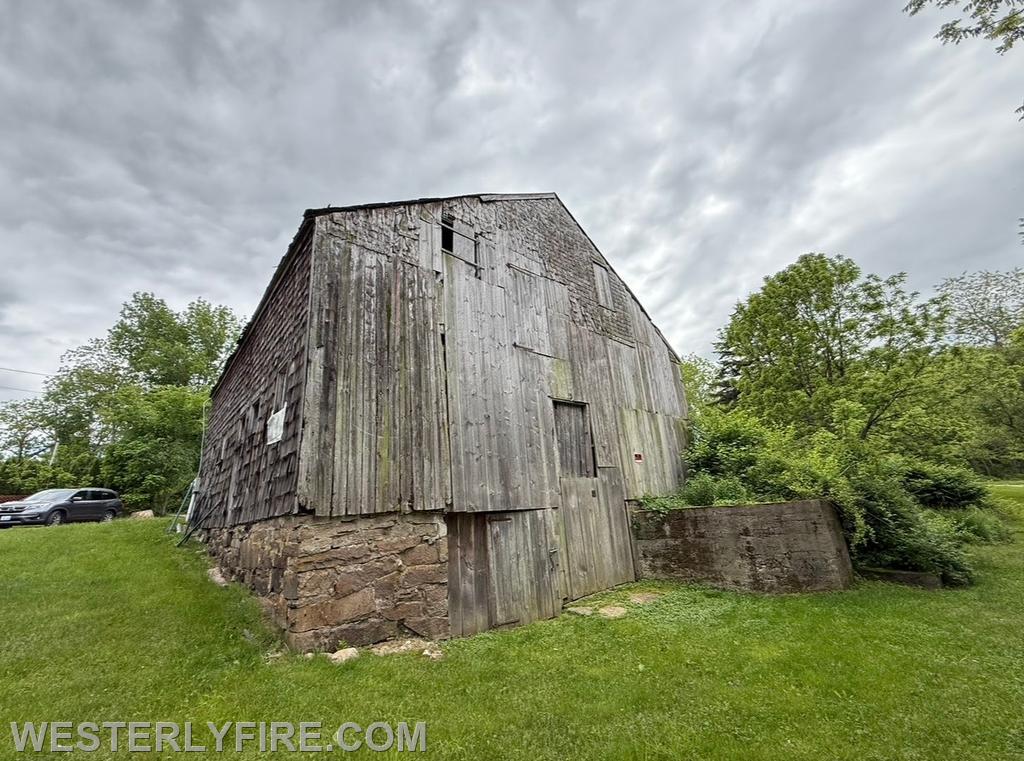
| Ninety-six years ago, in July 1930, Chief George Egger returned to the Central Fire Station on Union Street after responding to a roof fire at a business on Canal Street near High Street. Shortly after his return, he received a phone alarm reporting smoke in Potter Hill. Chief Egger responded to the scene in a pumper to locate the source of the smoke, which local residents reported seeing near a barn on the Thorpe Farm.
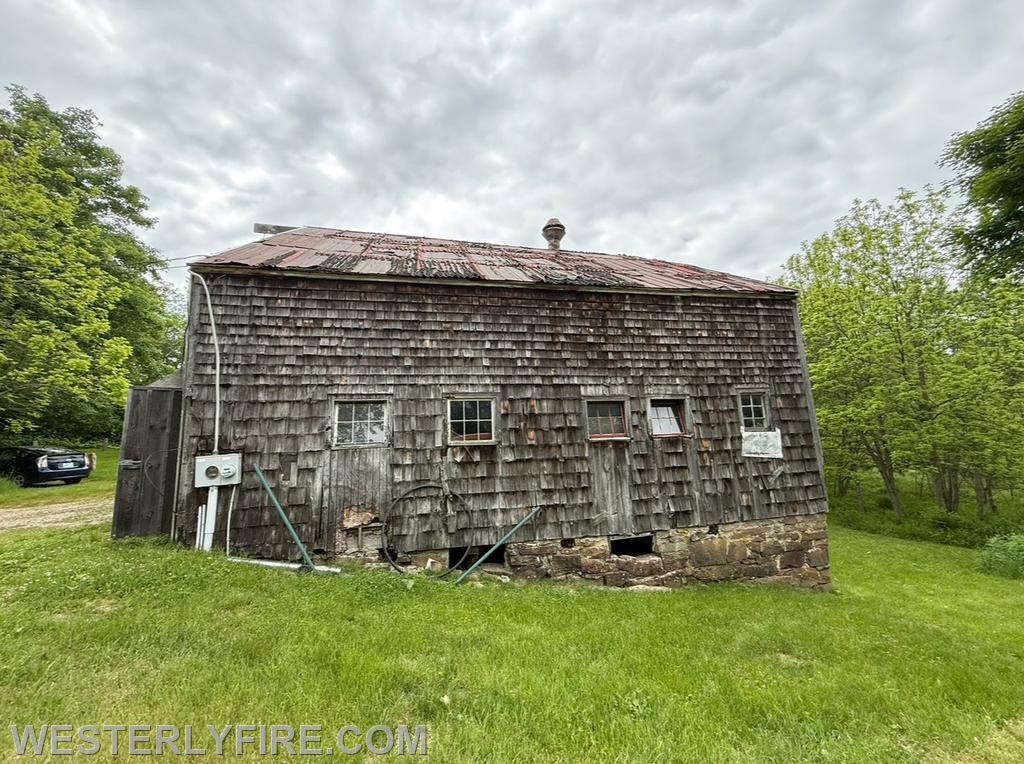
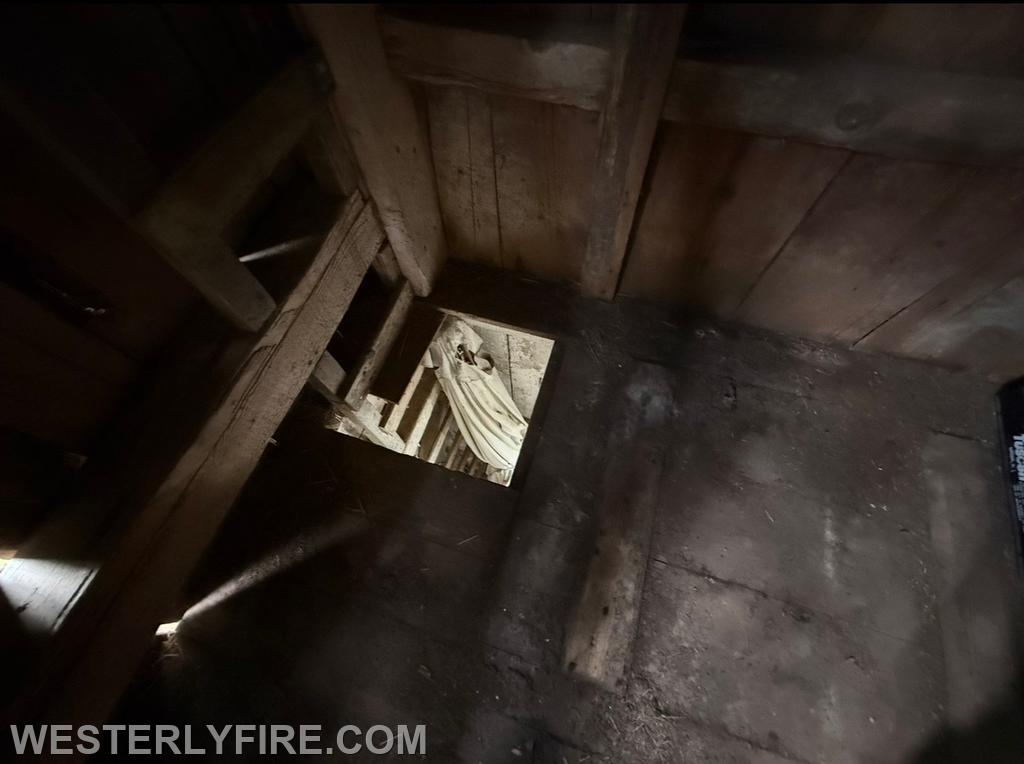
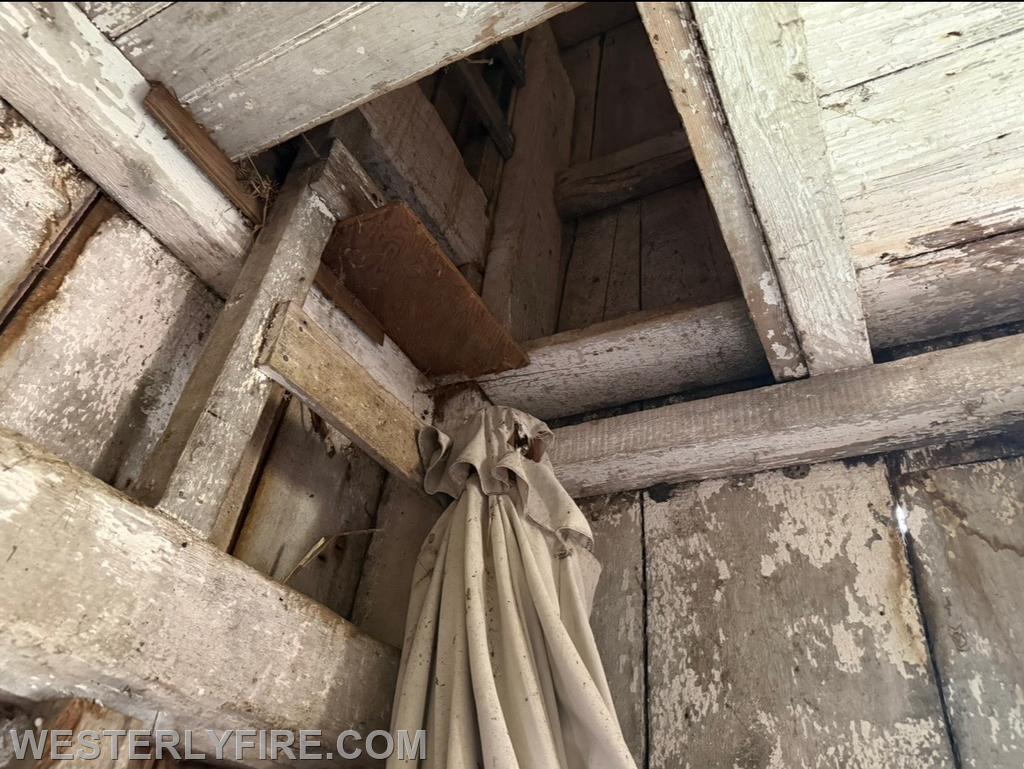
Chief Egger used a ladder to enter the second floor of the barn. While searching the hayloft to ensure there was no active fire, he fell through a hatch door that had been obscured by fresh hay. During the fall, the Chief struck his head on a stall door, fracturing his skull and breaking several ribs.
When his fellow firefighters reached him, Chief Egger was semi-conscious. They rushed him to the Westerly Hospital in the pumper, but unfortunately, he succumbed to his injuries later that night.
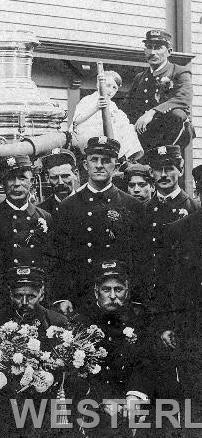
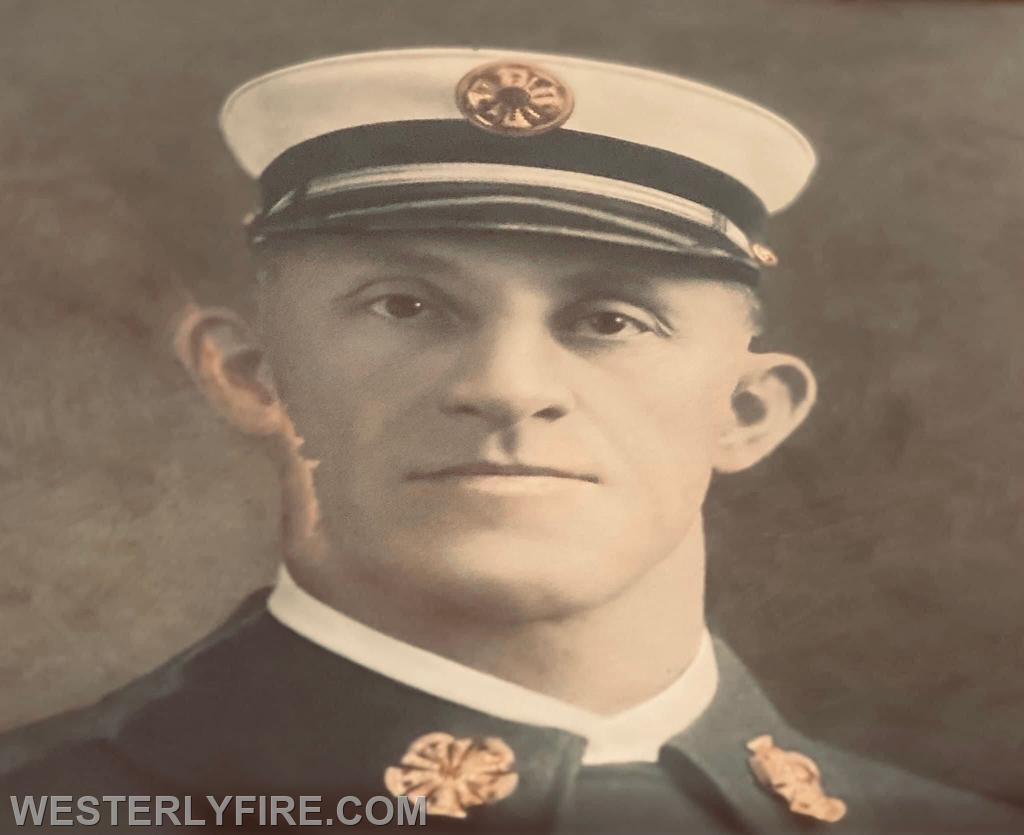
At the time of his line-of-duty death, Chief Egger was a Charter Member of the Cyclone Steam Fire Engine Co. 2 and a life member of the department with 35 years of service, having joined in 1895. He served as Foreman of the Cyclones from 1905 to 1906, and as Chief of the Department from 1919 to 1930.
Widely respected throughout the New England fire service, Chief Egger was the first Chief to sign the roster for the New England Fire Chiefs’ Association. According to Westerly Sun archives, fire service officials from as far away as Hartford, Fall River, Woonsocket, and New London attended his wake and funeral at 7 Union Street. He had led the department through its darkest days after the original firehouse burned down, and he was deeply influential in the design and construction of the Central Fire Station on Union Street—the very building that still serves as the headquarters of the Westerly Fire Department today.
With Firemen’s Memorial Sunday and the First Annual Wreath Laying for the department’s two line-of-duty deaths quickly approaching, locating the site of Chief Egger’s final alarm has been a long-time priority for the Historical Committee. Through sheer luck and coincidence this past week, we were able to locate and confirm that the barn where Chief Egger lost his life is still standing. Ninety-six years later, the current owner graciously allowed department members to tour the property and take photographs.
Chief Egger was survived by his wife, Julia; the couple had no children. While anyone who knew him, served alongside him, or shared a laugh with him has been gone for sixty years or more—and his memory as a man has been lost to time—his legacy lives on. |